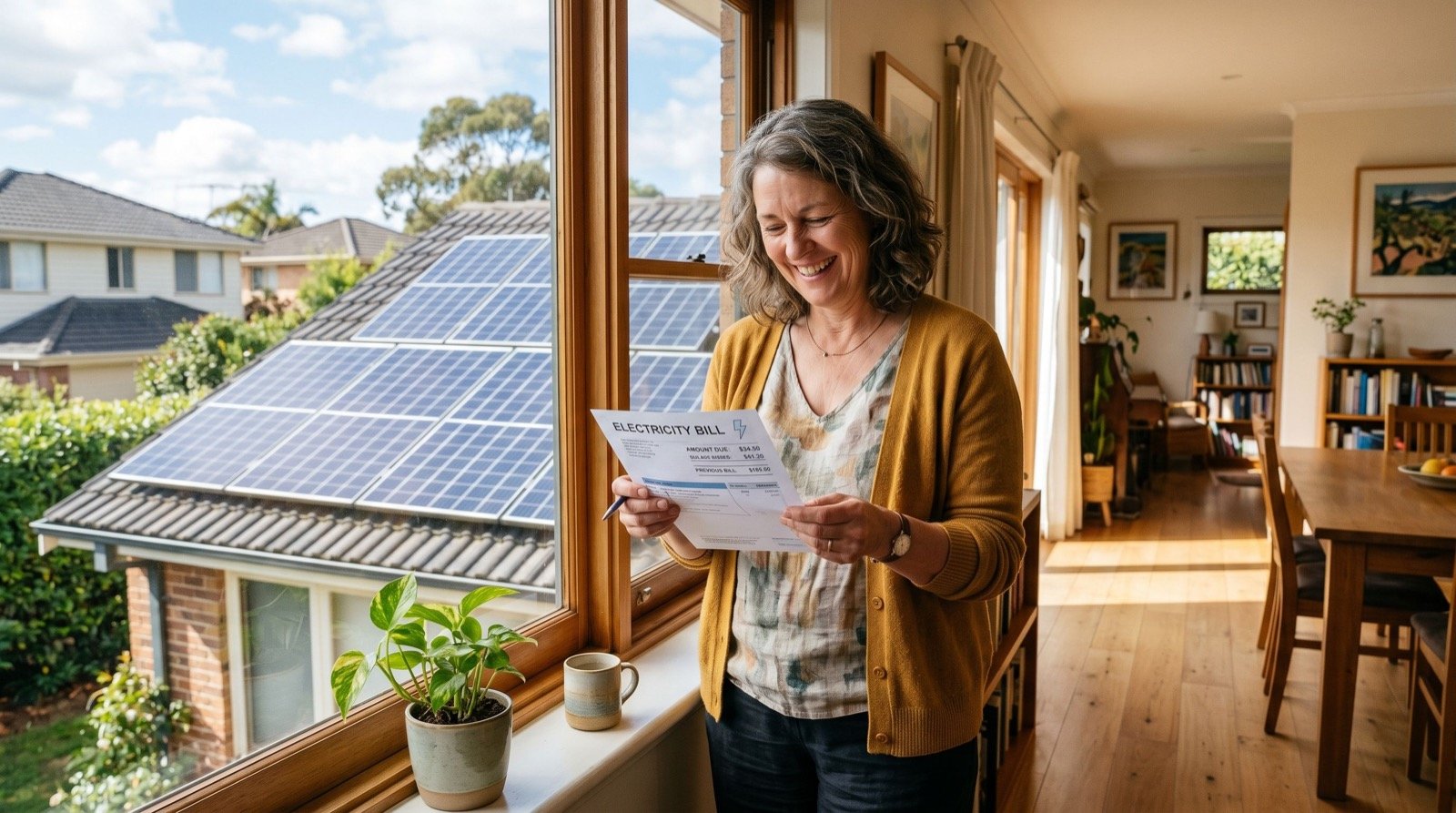
Electricity bills in Pakistan have a way of climbing faster than almost any other household expense, and every summer the story repeats itself: fans running non-stop, air conditioners straining against forty-degree afternoons, and a meter that never seems to slow down. For a growing number of families, the moment they finally look seriously at solar is the moment a two-page bill lands on the table. What starts as frustration quietly turns into research, and that research almost always leads to the same question — is switching to solar actually worth it here?
The short answer is yes, but the longer answer is more interesting. Solar in Pakistan is no longer an experiment for the wealthy or a novelty bolted onto a few rooftops in posh neighbourhoods. It has become a practical financial decision that ordinary homeowners make to protect themselves from tariff hikes and unreliable supply. This guide walks through how the numbers work, what net metering really means for your bill, and how to think clearly before you spend a single rupee.
Why Grid Electricity Keeps Getting More Expensive
Understanding the appeal of solar begins with understanding why the alternative hurts so much. Tariffs in Pakistan are shaped by fuel costs, currency movements, capacity payments to power producers, and a distribution system that loses a painful share of what it generates. When any of those factors move in the wrong direction, the cost lands on consumers through per-unit charges and adjustments that appear on the bill with little warning.
Because your rooftop system generates power at a fixed upfront cost, it effectively locks in a portion of your electricity price for the next twenty-five years. While your neighbours absorb every future increase, the units your panels produce stay free after the payback period. That predictability, more than anything else, is what convinces most people to make the leap.
How Net Metering Turns Your Roof Into a Meter That Runs Backward
Net metering is the mechanism that makes residential solar genuinely rewarding in Pakistan. Under an approved net-metering connection, a bidirectional meter records both the electricity you draw from the grid and the surplus you export back to it. During bright daytime hours, a well-sized system often produces more than the house consumes, and that excess flows outward, spinning your credits up rather than your bill.
At night, or on a cloudy day, you pull from the grid as usual, but those imports are offset against the units you exported earlier. Many households end up with bills that are a fraction of what they used to pay, and some see their meter reading barely move across an entire billing cycle. Getting the paperwork right matters, which is why families often lean on Best Solar Company to handle the application and distribution-company approvals rather than wrestling with the process alone.
Working Out Your Own Payback Period
The figure everyone wants is the payback period — how long before the savings cover the installation. It is simpler to estimate than most people assume. Start with your average monthly bill, look at how many units you burn, and match that to a system size that covers most of your daytime load.
A typical urban household spending heavily in summer might install a system that clears its cost within roughly three to five years, after which the electricity is essentially free for the remaining life of the panels. Because equipment prices have fallen sharply while tariffs have risen, that payback window keeps shrinking. The trick is to size the system for your real consumption instead of chasing the biggest array a salesperson can sell you.
On-Grid, Off-Grid, or Hybrid
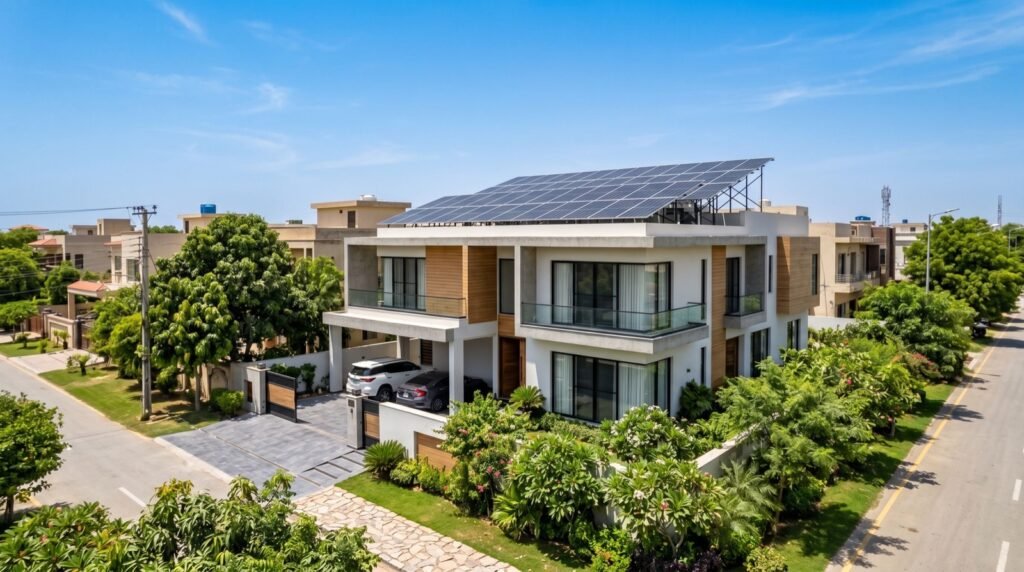
Not every system is built the same, and choosing the wrong type is the most common expensive mistake. An on-grid setup, paired with net metering, offers the fastest payback because it skips costly batteries and simply trades power with the grid. It is ideal where supply is fairly stable and your goal is to slash the bill.
A hybrid system adds battery storage so you keep running during outages, which suits areas that still face load shedding. A fully off-grid design cuts the cord entirely and makes sense only in remote locations without a reliable connection. Matching the architecture to your neighbourhood’s reality is where good advice pays for itself, and it is worth consulting genuinely dependable specialists before committing to hardware you cannot easily change later.
Reading the Quality of Panels and Inverters
The panels catch the attention, but the inverter is the brain of the system, and skimping there is a false economy. A quality inverter manages the flow between your roof, your home, and the grid, and it determines how gracefully the whole setup handles voltage swings that are common on local networks.
On the panel side, look at the manufacturer’s efficiency rating, the temperature coefficient — which tells you how well output holds up in real heat — and the length of the performance warranty. Two systems with identical wattage on paper can behave very differently across a decade of Pakistani summers, so the datasheet deserves more attention than the price tag.
Maintenance Is Easier Than People Fear
A frequent worry is that solar will become another demanding appliance. In practice, rooftop systems are remarkably low-maintenance. Panels have no moving parts, and the main task is keeping their surface reasonably clean, since dust and pollen can shave a noticeable slice off output over the dry months.
A rinse every few weeks during dusty spells, an occasional check of the mounting and wiring, and a glance at your monitoring app to confirm production stays where it should be — that is roughly the entire routine. Most reputable installers include a service visit or two in the first year, which is enough to catch any early issues.
Key Takeaways
- Solar locks in part of your electricity cost for decades while grid tariffs keep rising.
- Net metering credits the surplus you export, often cutting bills to a fraction of before.
- Most urban households recover their investment within three to five years.
- Choose on-grid for fastest payback, hybrid if outages still bother your area.
- The inverter and panel datasheet matter more than the headline price.
- Maintenance is minimal — mostly keeping panels clean and monitoring output.
Making the Decision With Confidence
Going solar is one of the few household upgrades that pays you back rather than simply costing money, and the case for it in Pakistan grows stronger with every tariff notification. The families who feel happiest a year later are the ones who took time to understand their own usage, sized the system honestly, and worked with an installer who explained the trade-offs instead of overselling. If you approach it that way, the choice stops feeling like a gamble and starts feeling like the obvious financial move that experienced homeowners increasingly regard as the mark of the Best solar company in pakistan guiding them through it. Run your numbers, ask hard questions, and let the sun start paying part of your bill.